I would like to show the journey of a person pursuing their Personal Legend. It all begins in a comfort zone — for Santiago, it was his sheep. Here, I am using photos of a peaceful landscape.
Then, the person enters a moment in life when they must make a decision: which direction to choose, what step to take, and what to sacrifice.
All of these concerns and choices eventually lead to something bigger — to new mountain peaks and a sunrise, which represent new heights and new horizons opening up.
At certain moments in life, each of us faces a choice: either remain in a familiar, safer space, where everything feels predictable but progress is stalled, or step beyond that comfort, taking on new and more difficult challenges in order to reach a new stage of growth and self-discovery.
This postcard reflects that duality by dividing the image into two distinct worlds. The left side is pale, symbolizing a monotonous life that no longer brings joy — days pass without change, and everything feels the same. The right side, however, is brighter and filled with color. It represents the path of those who push themselves toward new goals, stepping into a world where more is happening, energy flows, and the joy of living is renewed.


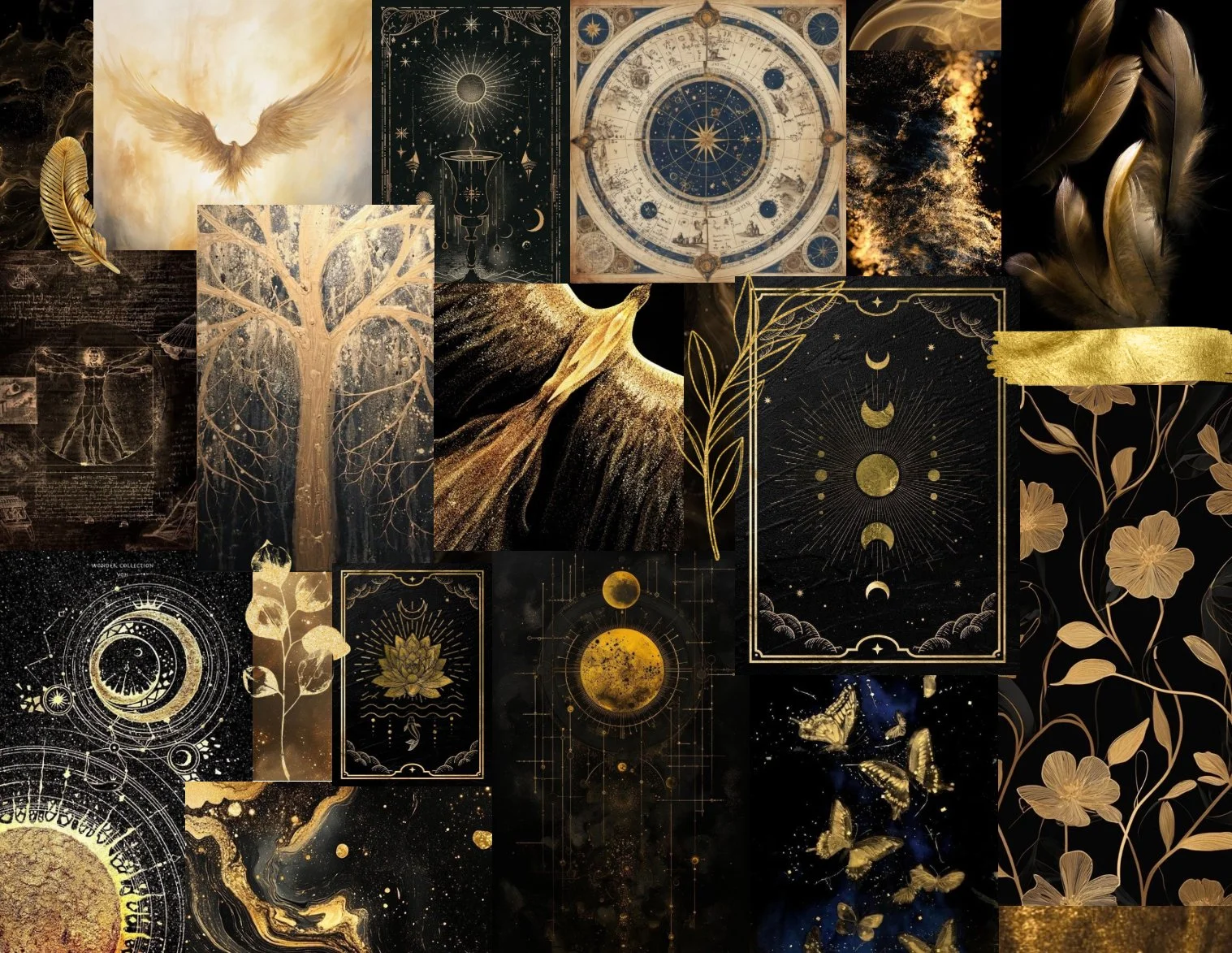

This postcard reflects the idea of transformation and how it connects to the concept of alchemy. I believe that when someone follows their dreams and puts effort into achieving them, they can completely change as a person. They can go from feeling bored, lost, and without direction to becoming motivated, passionate, and full of life.
This mirrors the main goal of alchemy — turning lead into gold. The main colors of the postcard, black and yellow, represent this idea as well: darkness transforming into light. I also chose images that are “symbols” of transformation, such as the phoenix, the butterflies, and blooming flowers.
I think this means that our understanding of who we are—whether a conscious choice, like joining a group, or an innate identity, like ethnicity—is always connected to a cultural context. These cultural identities shape our interactions with others and determine our contribution to the communities to which we belong.
This postcard reflects my Russian culture and the mystical aspects I love about it. I grew up on various fairy tales and legends about magic and rituals, which for me are an integral part of who I am.


I believe that what leaders carry inside themselves is exactly what they bring to the company, and later what they want to show to consumers. It is essential to know who you are and what you want to offer others.
For me, this idea connects to theatre, which was an important part of my life in the past. On stage, it is crucial to have clear vision and guiding beliefs in order to present characters and perform the play as intended At the same time, you must wear masks and costumes that you would never put on in daily life by covering one side of personality, you reveal another one.
The core idea behind the client’s worldview is that everyone consumes products that help them become a better version of themselves. It’s all about the personal feelings and preferences of each individual. This depends on how people see the world — and everyone sees it differently.
In this postcard, I focused on the idea of “seeing the world” and represented it through different images of eyes. They are created in various styles, moods, and techniques, each showing a distinct perspective of how people view the world. Some of the eyes are placed in frames, symbolizing certain clients who can reflect on and connect with what you are doing and creating for the world.

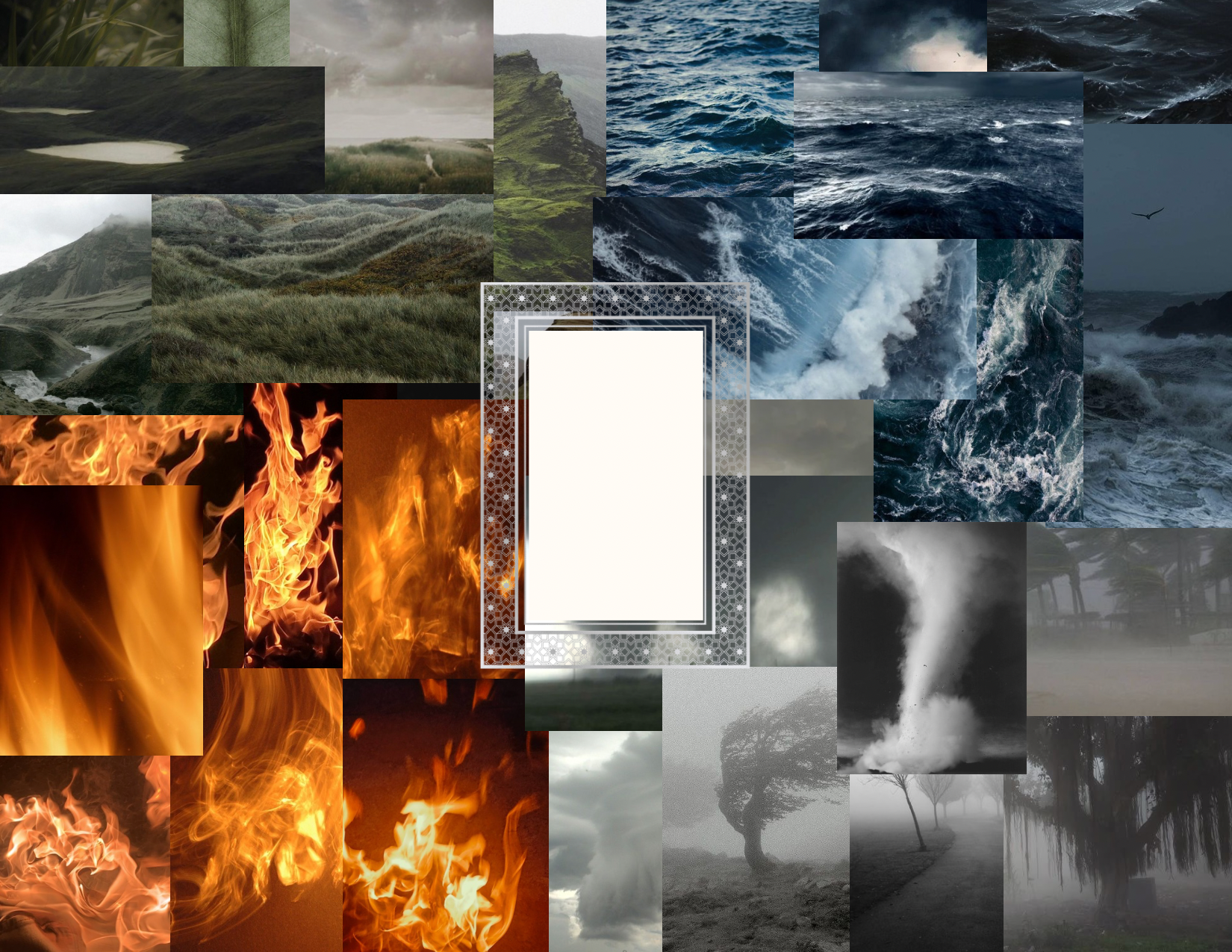
I was thinking that, to a certain extent, all four elements, including exchange, grooming, possession, and divergence, can affect individuals’ experiences with products or services. Each of them contributes to creating certain emotions and shaping experiences that ultimately influence and reshape one’s identity.
I wanted to represent this idea through the four core elements of nature — earth, water, fire, and air. This also connects to the concept of alchemy and the book The Alchemist, which itself transformed many people’s ways of thinking. I chose this approach to show how these elements complement one another — each powerful on its own, but together forming a complete picture of the world.
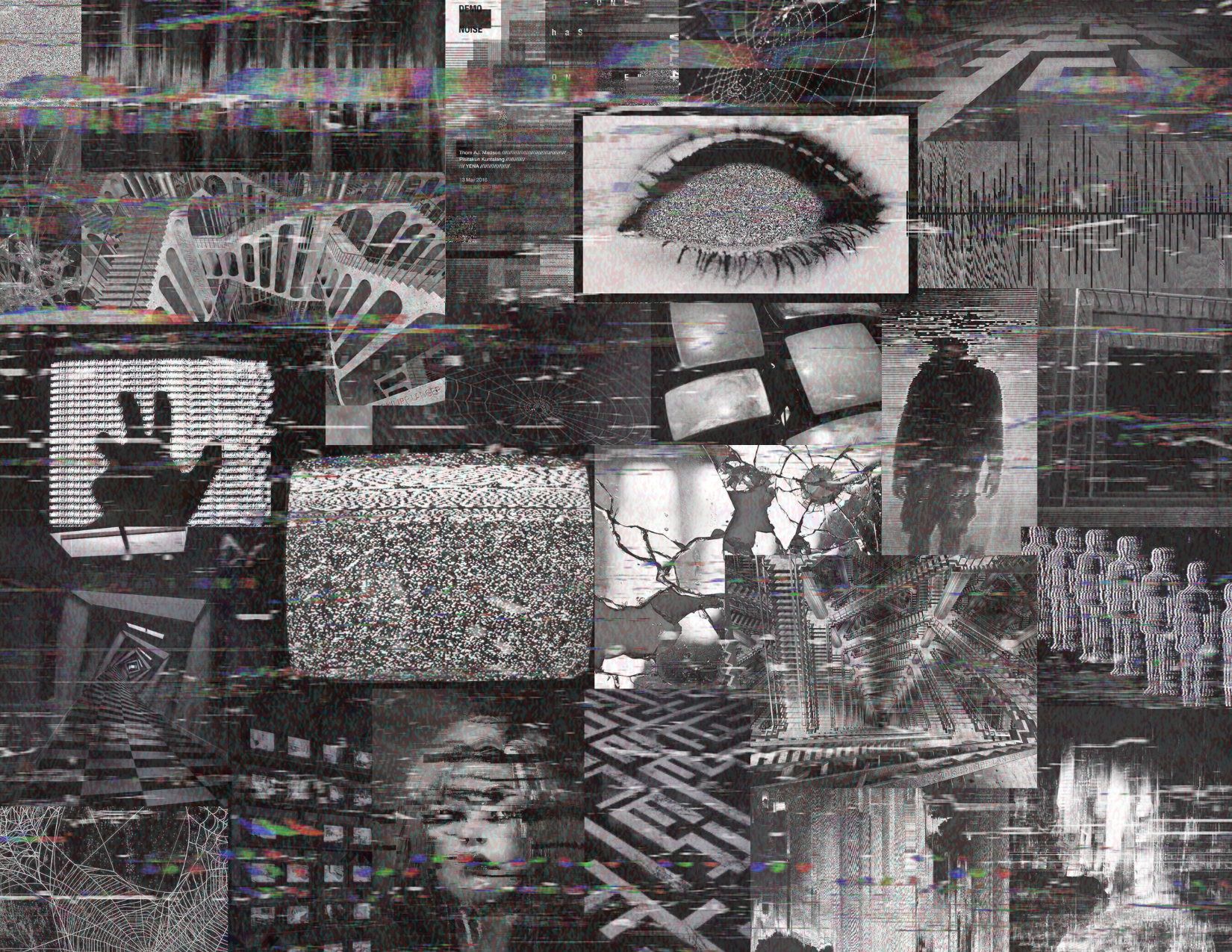
With the rise of the Internet and social media platforms, more and more people tend to get lost in the overwhelming amount of information. This constant exposure can gradually influence how individuals think and perceive the offline world. Moreover, the type of content people engage with often reflects their inner worlds and personal values.
I was inspired by the TV show Black Mirror, where each episode tells a unique story about a dystopian world shaped by the impact of the Internet, technology, and innovation. Each narrative explores different ways in which characters are driven, controlled, or consumed by these technologies and how they adapt or survive within them.
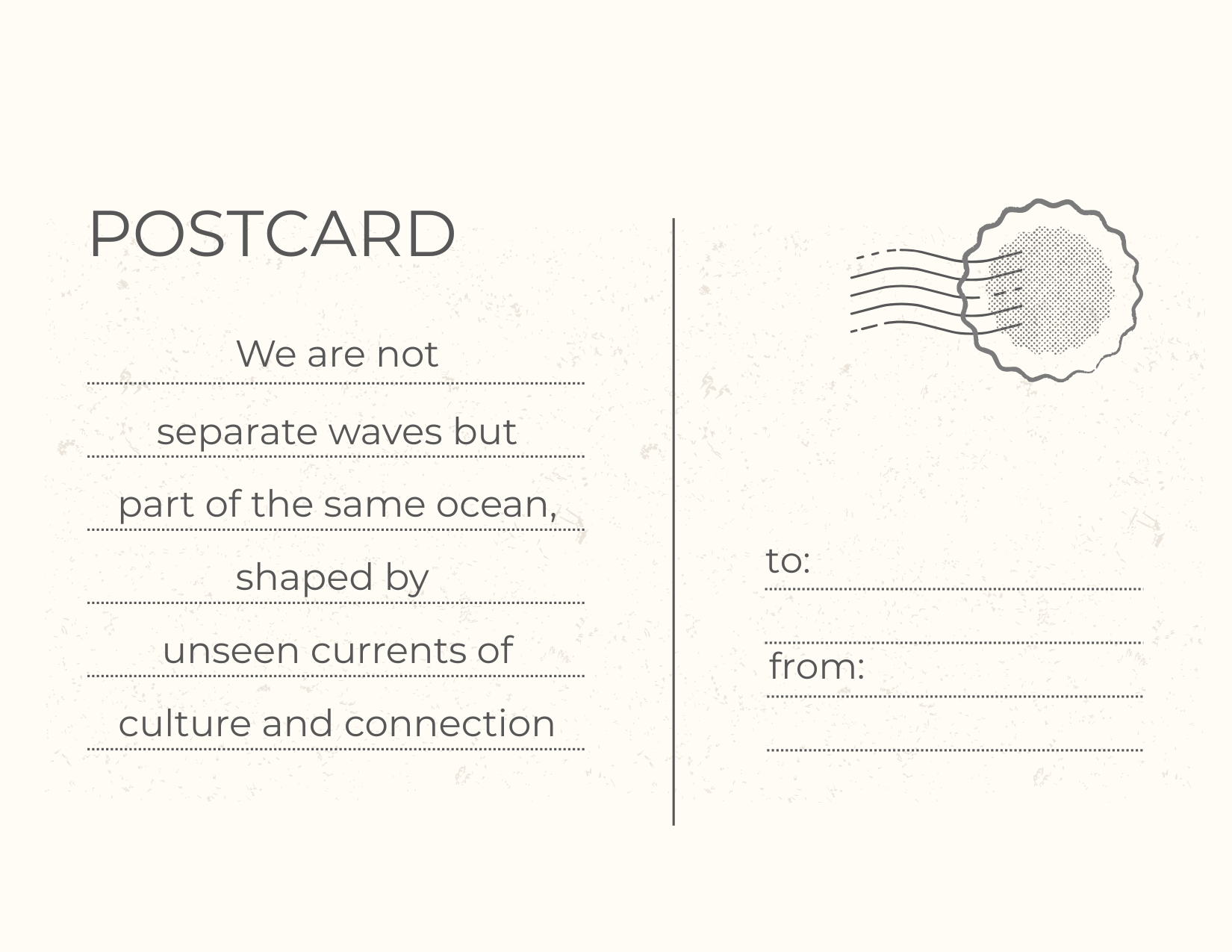
I can definitely identify myself with the art community, as I am getting my bachelor’s degree in the creative industry and plan to pursue a career in this field. I also came overseas, so my home culture remains very important to me, and it’s something I cannot give up. I believe that culture and identity are fluid, they constantly shape who we are and do not have strict boundaries.
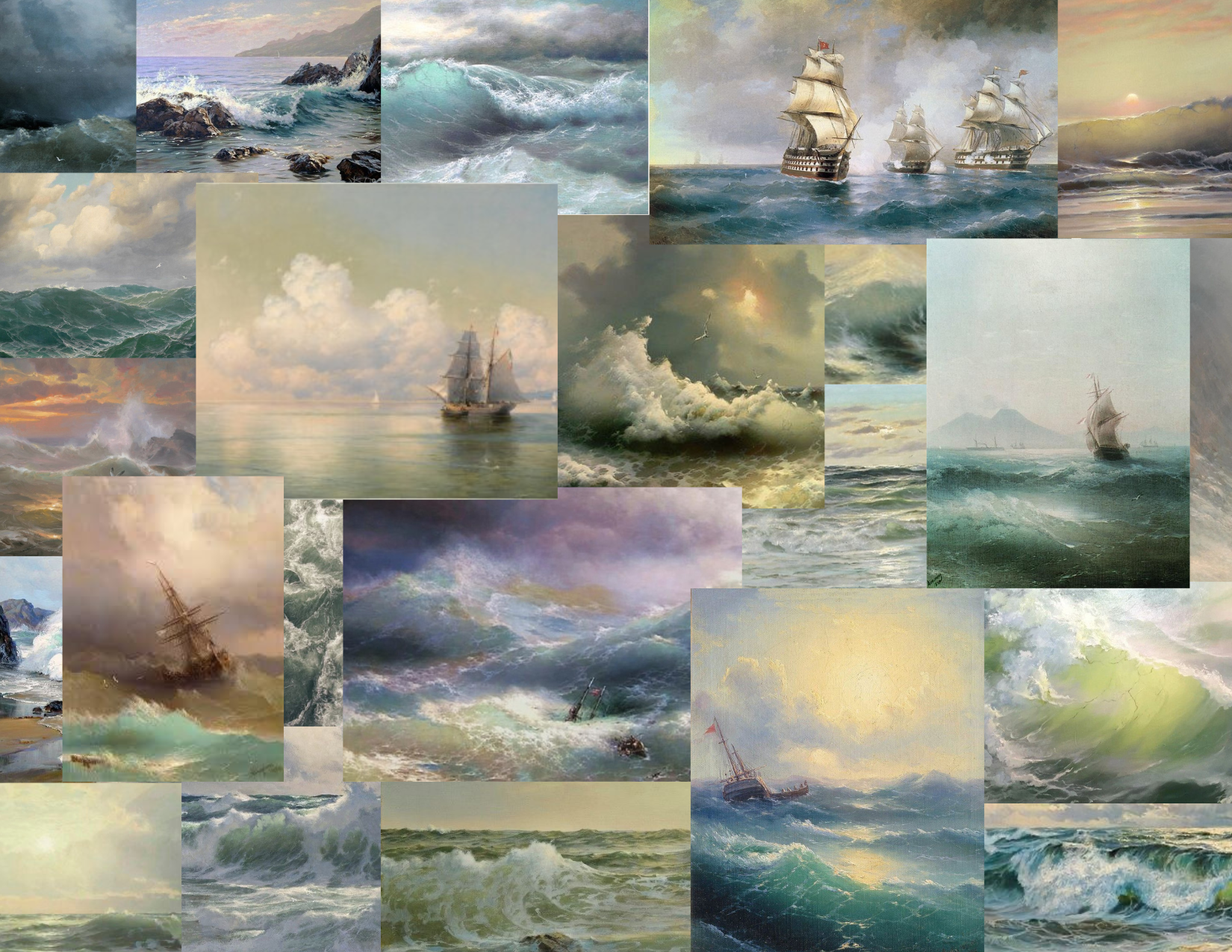
This idea reminds me of water, waves, and the sea. My postcard reflects this concept through images of seascapes. Moreover, Ivan Aivazovsky, one of the most prominent Russian painters, is well known for his art works of the sea and the ocean, so I incorporated some of them into my postcard.
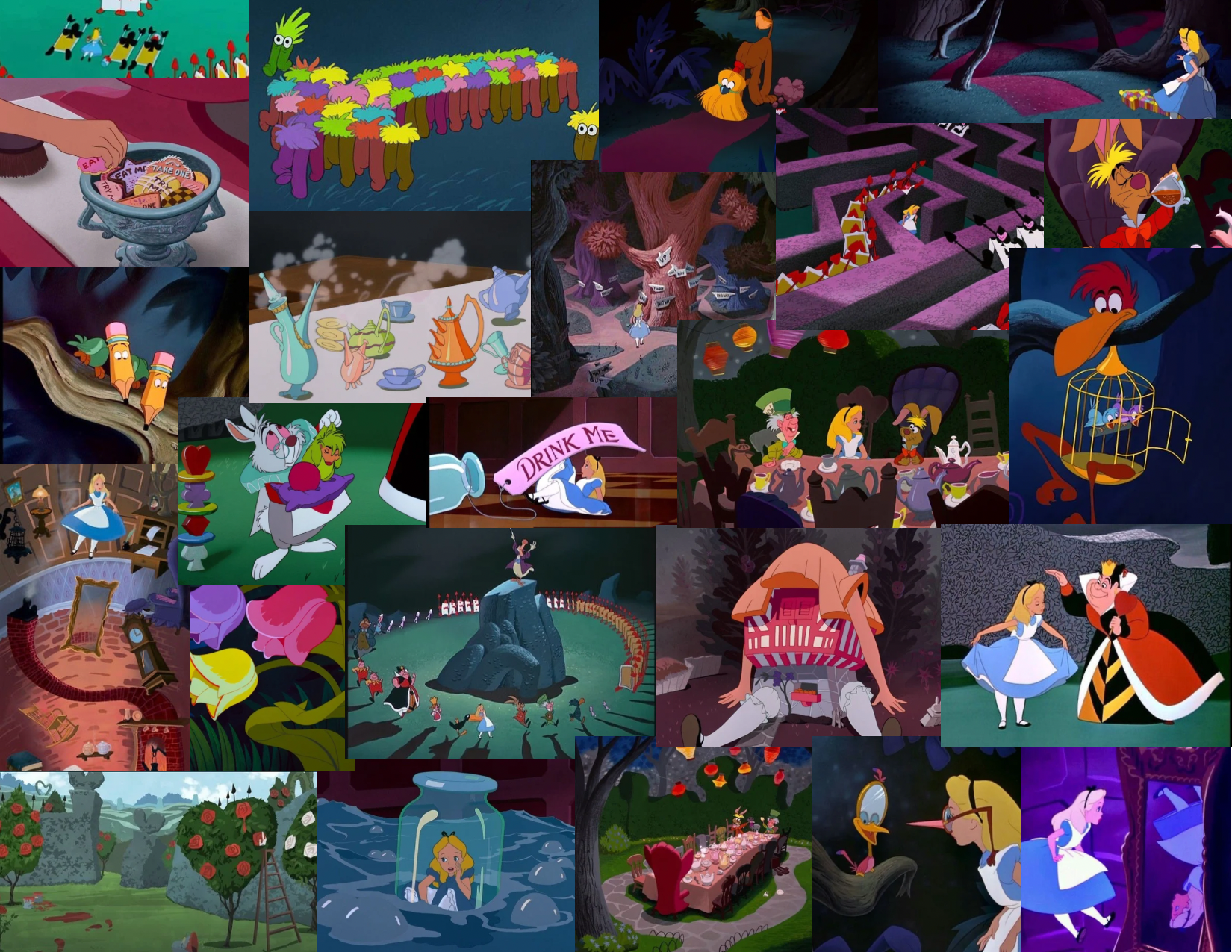
For a while, I was thinking about using the aesthetic of Disney animated film Alice in Wonderland for one of my postcards, and I’ve realized that this concept is perfect here. Alice attempts to understand a strange new world with its own norms and rules, which mirrors the experience of navigating social media and learning how to behave.
The movie begins with Alice falling down the rabbit hole, which can symbolize being pulled into the algorithmic feeds of social media platforms, where an overwhelming amount of activity happens daily. The Queen of Hearts’ strict rules reflect cancel culture and cultural gatekeeping, while the chaotic tea party represents community norms and performative belonging on the internet. Finally, the surreal landscapes of Wonderland capture the complexity and confusion of the modern digital world we all experience.