Lost Properties
written by Walt McGough and directed by Sofya Sobolevskaya
David has lost something. Something big. Luckily, he has an appointment with the Office, and they are always there to help.
—
David has lost something. Something big. Luckily, he has an appointment with the Office, and they are always there to help. —
Concept of the Play
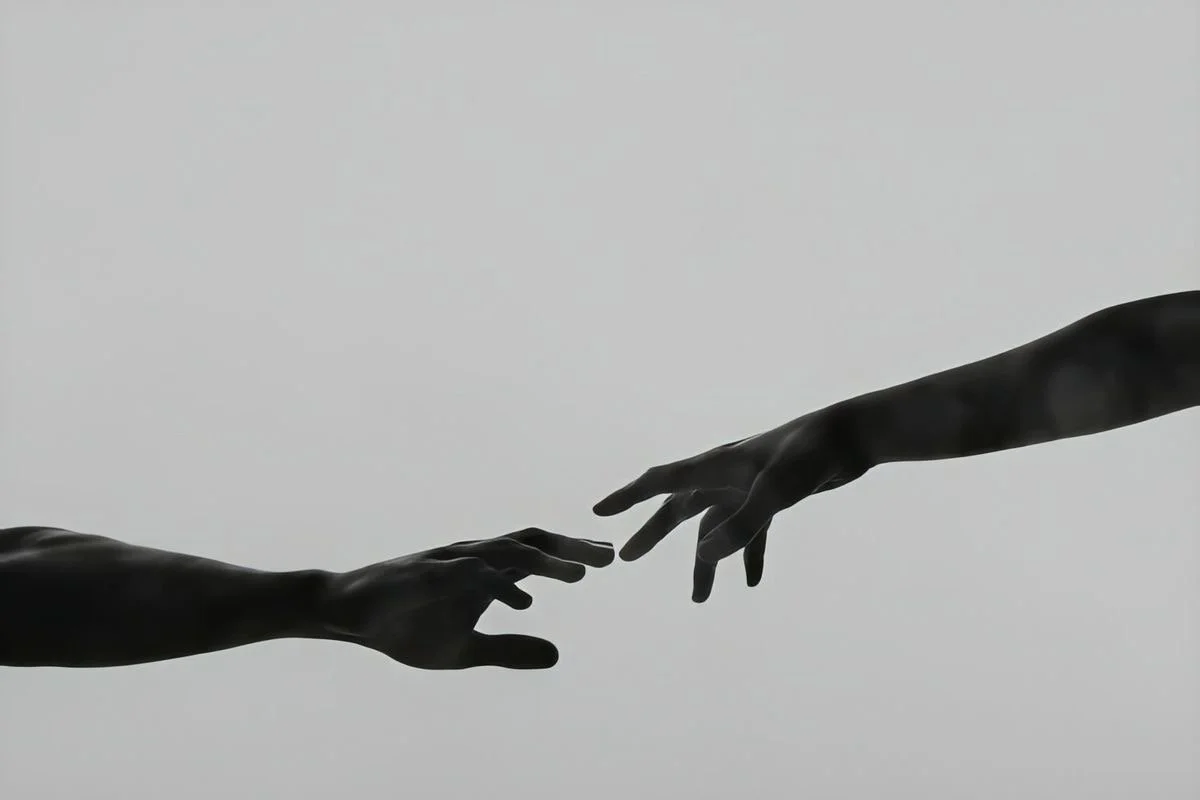
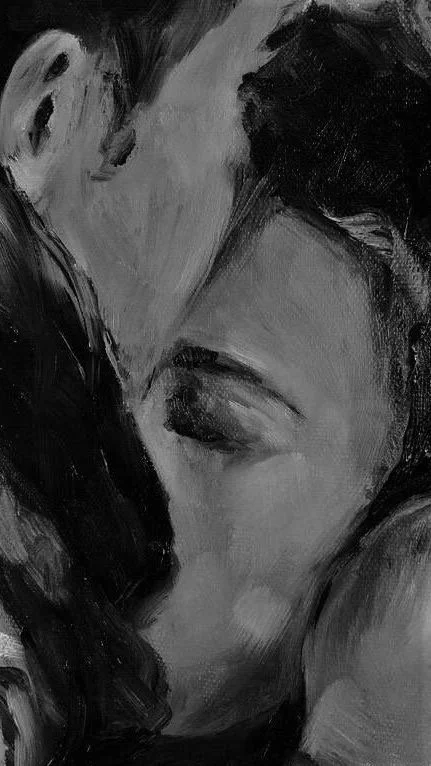
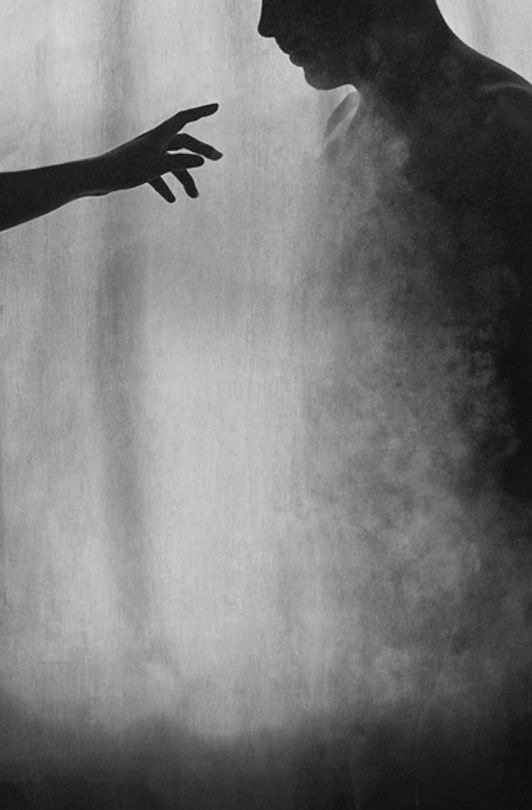
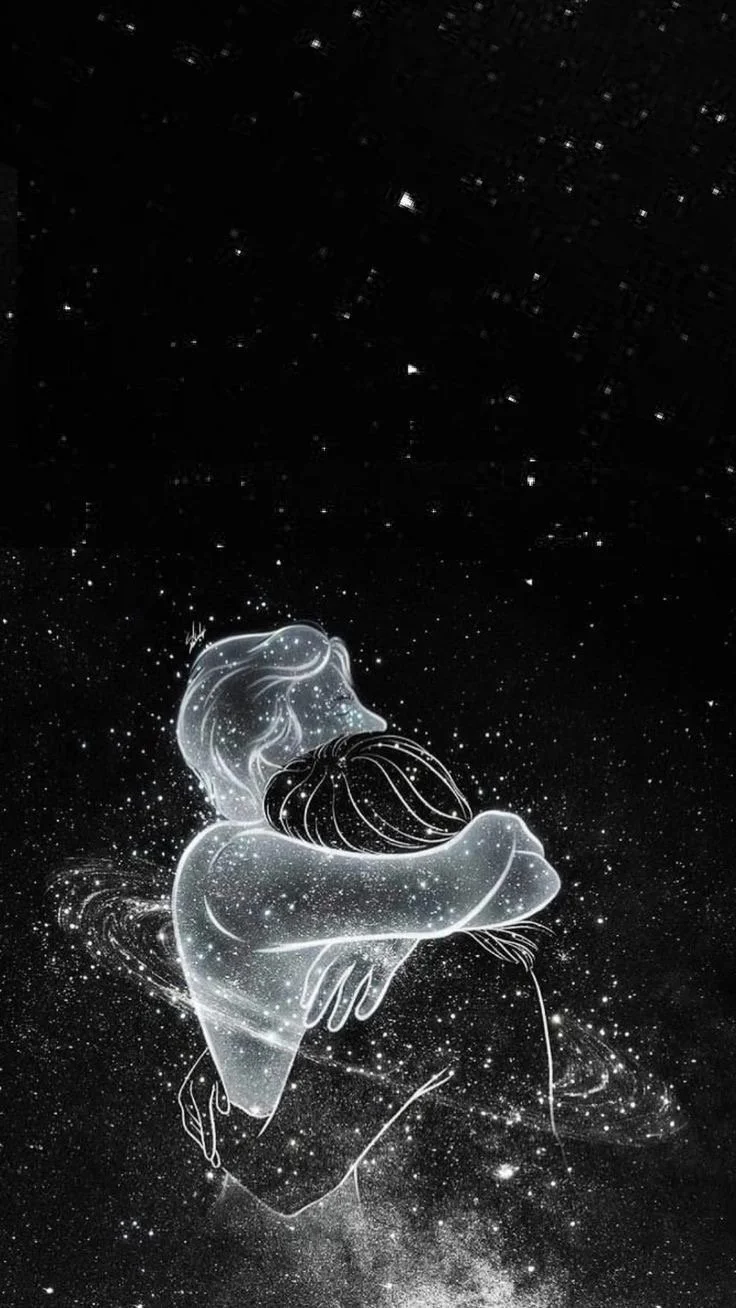
First of all, I would like to highlight several important points and reflections on grief that were essential for both my creative process and my understanding of the play. The first is that grief is a specific type of trauma directly connected to the loss of a close person. Another important aspect is the psychological symptoms of grief, which include dissociation and the loss of personal identity. People experiencing grief are unable to stop recalling the lost ones, and as a result, they cannot perceive the outer world without them. They remain stuck between the worlds of the living and the dead, unable to fully move on. Such individuals constantly think about those they have lost and attempt to reach them again.
It is also essential to mention the myth of the five stages of grief (Denial, Anger, Bargaining, Depression, and Acceptance). The most important point here is that acceptance, in its absolute sense, does not truly exist. There is no closure, as the human brain cannot simply forget a person. Since grief is a form of trauma, it leaves a lasting mark on the brain and cannot completely disappear. In the context of my play, I consider grief as a wave. At times it pulls back, allowing a person to feel more alive and capable of moving forward. However, the pain can return suddenly, rushing in like a powerful wave. In these moments, people experience intense grief again and lose their connection with reality.
This understanding of grief directly shaped my interpretation of the play and the development of its concept. First of all, Anthony is not a real person; he exists as a part of David’s imagination. I believe that David has no close people in his life with whom he can share his thoughts and emotions, which is why he creates Anthony as a way to process and understand his feelings. Throughout the play, David desperately tries to bring his daughter back. He argues with Anthony, accusing the office worker of doing nothing to find her. David refuses to accept Daisy, the last object connected to his daughter, insisting that it is not truly her and that a simple flower is not enough.
However, Anthony encourages David to tell the background story of the flower: how his daughter found it, brought it home, took a cup, and placed it inside. Through this therapeutic process, David finally accepts the flower and begins to leave. Yet in the final moment, he asks Anthony whether he has ever lost something important. Anthony responds, “All the time.” This suggests that the pain caused by the loss of David’s daughter can return, and that David will need to confront these emotions repeatedly.
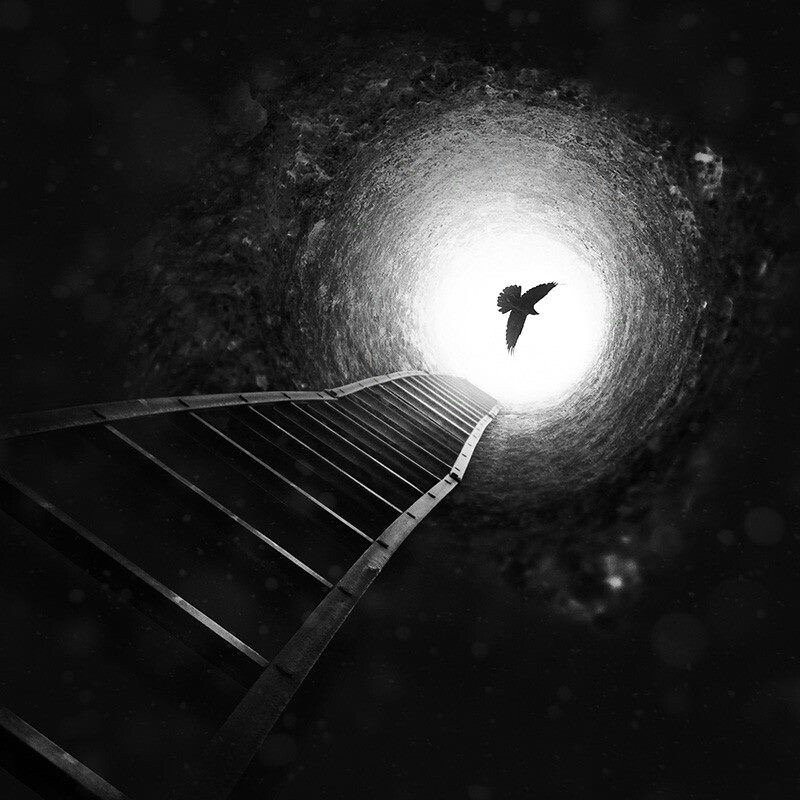
For the staging of the play, I used only one table and two chairs. Since everything takes place inside David’s mind, he feels nothing but emptiness and pain, making additional objects unnecessary. Throughout the play, David attempts to reach his daughter in any possible way. In the first half, he moves constantly around the table, stepping in and out of light and shadow, symbolizing his inability to find a place for himself without her. In the second half, he sits across from Anthony and begins to tell the story of Daisy. Anthony becomes a guide, offering David a metaphorical ladder from darkness toward light. The ladder is narrow, long, and difficult to climb, but David must pass through it in order to continue.
-
![]()
reaching out
-
![]()
grief
-
![]()
emptiness
-
![]()
way out
-
![]()
missing
Scene 6 “Toe Touch” from Your Healing is Killing Me
written by Virginia Grise and directed by Sofya Sobolevskaya
This is a Manifesto.
—
This is a Manifesto. —
Concept of the play
Your Healing Is Killing Me is a manifesto rather than a traditional play. It is based on lessons learned in free health clinics in San Antonio and acupuncture schools in New York, as well as on the treatments and consejos of curanderas, abortion doctors, Marxist artists, community health workers, and bourgeois dermatologists. The piece reflects playwright Virginia Grise’s personal experience of living with post-traumatic stress disorder, ansia, and eczema in a new age defined by trigger warnings, master cleanses, and crowd-funded self-care.
The original concept of the manifesto places one actress on stage performing eight different physical exercises, each symbolizing an important issue affecting women of color. In my interpretation of Scene 6, however, there are three actors on stage. One actor delivers her lines while standing still, while the other two silently perform the “toe touch” exercise. Through this staging choice, I aim to show that every member of a community can relate to these struggles and that each person has the right to speak about them. No one should be prevented from voicing what matters to them or to their community. At the same time, this scene emphasizes the importance of listening—each of us must pay attention to the experiences of others and respond to what they truly need.
Blog
For this project, my class was divided into several groups of six, and each group was required to present the concept of its theater and the chosen production. Other members of my group were responsible for areas such as set design, audio, and PR management. In addition to working on the directing aspect, I was also in charge of creating and managing the blog for our crew. Below, I have included three articles that highlight each member of my group and describe their individual contributions.


Project №3
Barry and the Bear directed by Sean Myers Sofya Sobolevskaya as Props Designer
In the Fall 2023 semester, I had the opportunity to work as a Props Designer for the play bear, written by Sean Myers and Emerson alum Kate Proctor and directed by Sean Myers. The play follows Willow, an imaginative eight-year-old girl who struggles with social anxiety. To cope, she creates an “imaginary” best friend, Barry—a strawberry with big, puffy pantaloons. Barry transports Willow to his world, The Patch, a mystical garden inhabited by berries. However, The Patch is not perfect. Hidden somewhere in the forest is Bear, a hulking yet mysterious figure from Barry’s past. During her time in The Patch, Willow must learn how to make new friends, confront her fears, and ultimately find her way home.
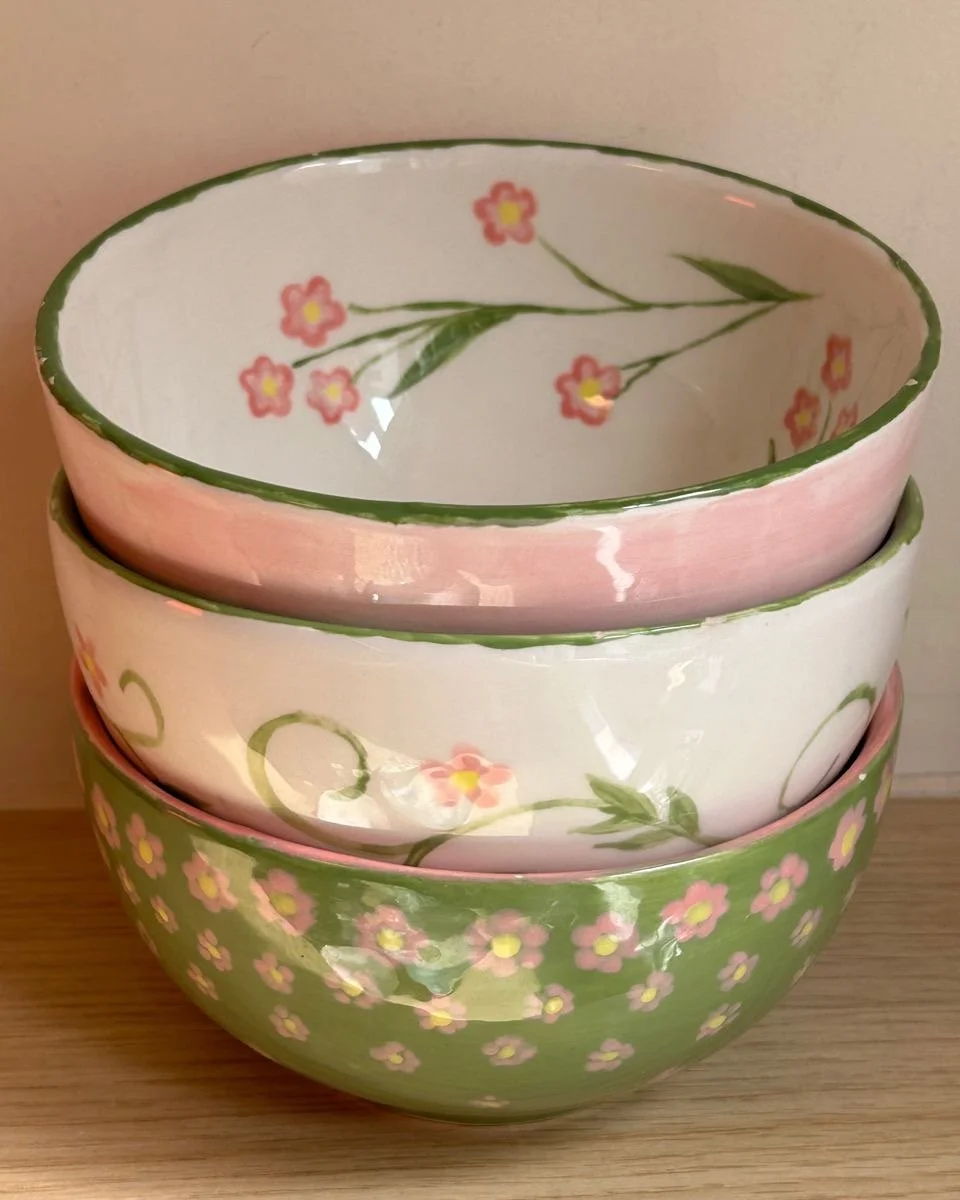
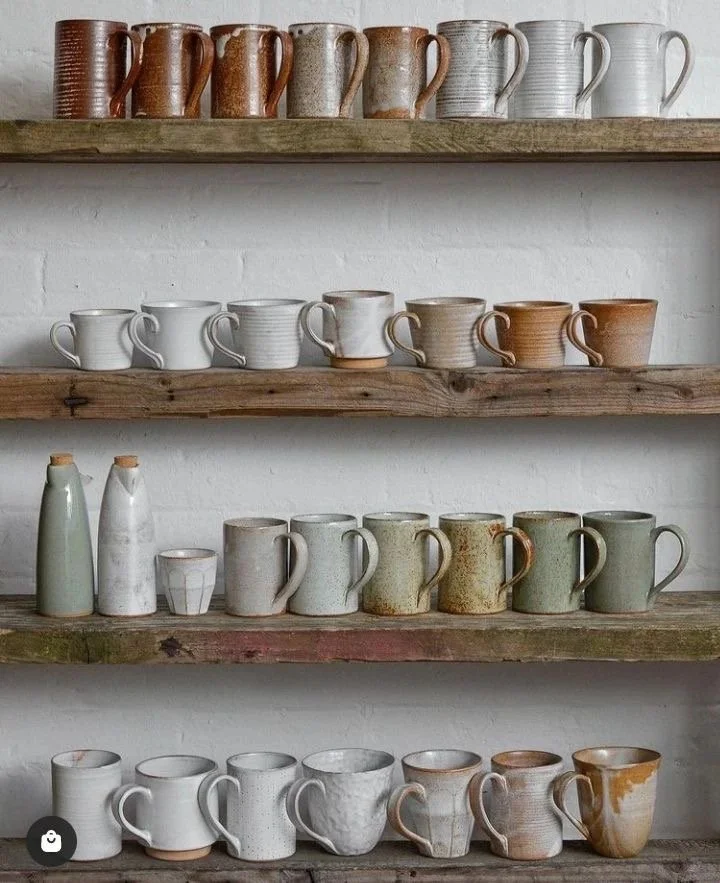
The overall atmosphere of the play reminded me of a cozy countryside home, as if I were visiting my grandparents for a summer vacation. I imagined the smell of grass and soil, vegetables growing in the garden, fruit trees, and flowers in bloom. In the backyard, the family gathers to eat and talk together. To evoke this feeling, I focused on props and furniture made from natural materials such as cotton, wood, and woven elements. I incorporated wooden and clay objects, wicker baskets and chairs, colorful pillows and blankets, and an abundance of plant pots to support this warm, pastoral atmosphere.